Programação Concorrente e Distribuída
GraphQL e WebSockets
Aula 13 — Consultas flexíveis e comunicação em tempo real
Parte 1
GraphQL
Uma linguagem de consulta para APIs.
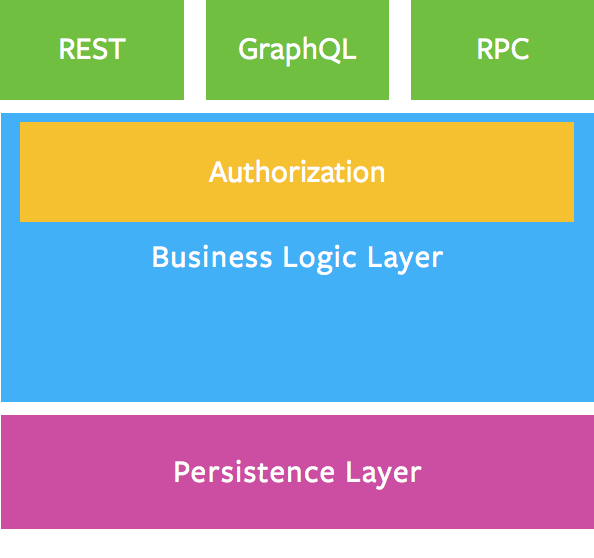
Onde o GraphQL entra numa API
Parte 2
WebSockets
Comunicação bidirecional e em tempo real.
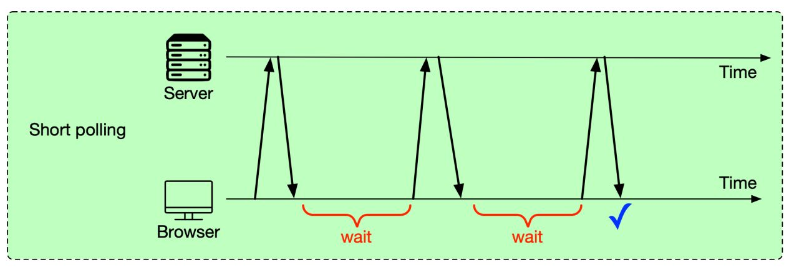
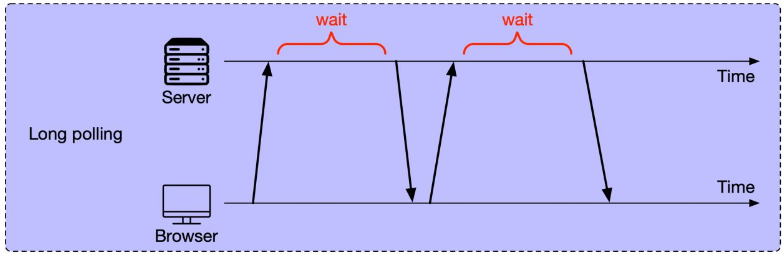
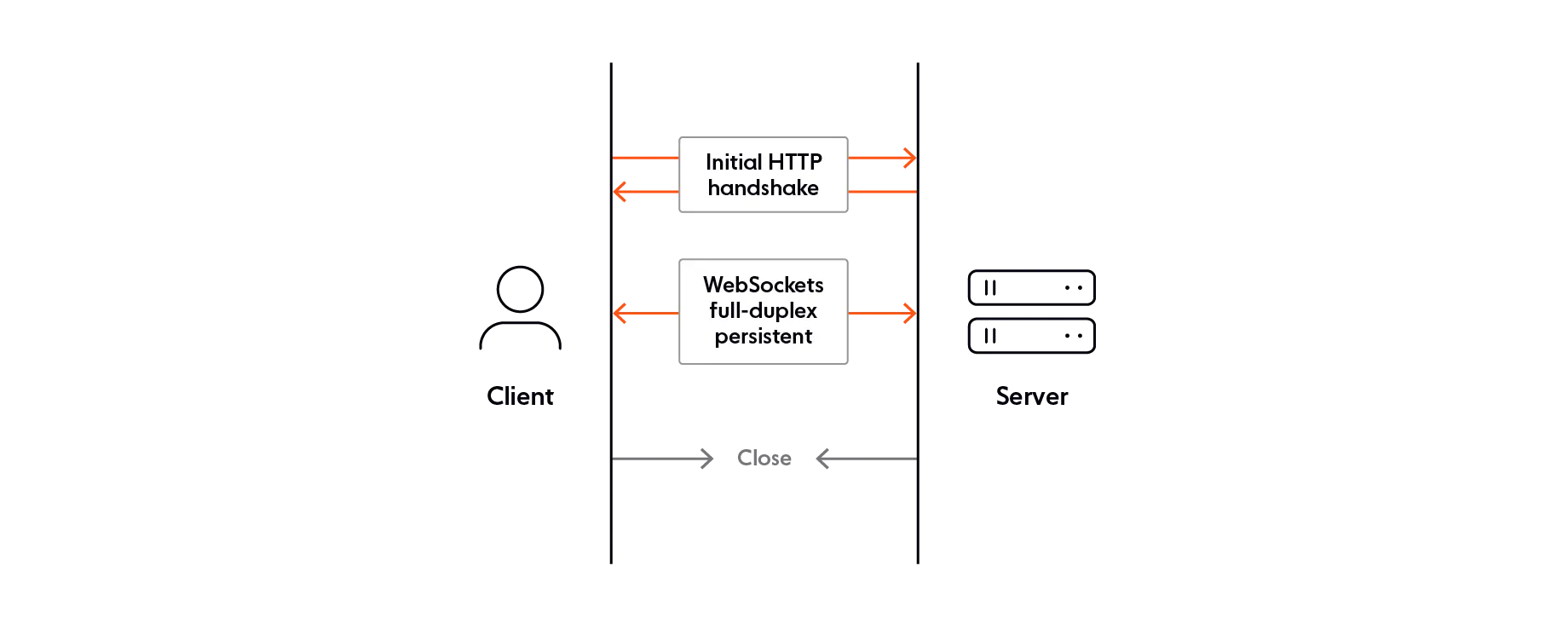
WebSockets
- Conexão full-duplex — dados trafegam nos dois sentidos ao mesmo tempo.
- Stateful — a conexão é mantida pelo tempo necessário.
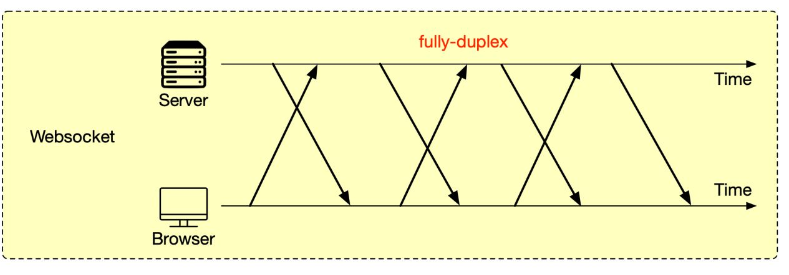
WebSocket — ciclo de vida da conexão
Para discutir
?
Quais as vantagens e desvantagens de GraphQL e WebSockets, um em relação ao outro?
Material em vídeo
 YouTube
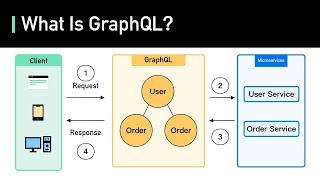
What Is GraphQL? — ByteByteGo
youtube.com/watch?v=yWzKJPw_VzM
YouTube
What Is GraphQL? — ByteByteGo
youtube.com/watch?v=yWzKJPw_VzM
YouTube
What Is GraphQL? — ByteByteGo
youtube.com/watch?v=yWzKJPw_VzM

Material em vídeo
 YouTube
WebSockets — Eduardo Mendes
youtube.com/watch?v=EqFzY8dBWHs
YouTube
WebSockets — Eduardo Mendes
youtube.com/watch?v=EqFzY8dBWHs
YouTube
WebSockets — Eduardo Mendes
youtube.com/watch?v=EqFzY8dBWHs